
“Eighteen Years Lost: How a Sister’s Unwavering Love Set an Innocent Man Free”
For 18 long years, a man sat confined in a prison cell for a crime he did not commit. Each…
19/12/2025 10:39
Can.cer remains one of the most feared diseases worldwide, affecting millions of people each year. Many people associate cancer with severe pain or obvious physical changes, yet in reality, early-stage cancer often begins quietly. The body may send subtle signals long before the disease becomes advanced – signals that are easy to dismiss as stress, aging, or temporary discomfort.
This is why early detection is so critical. When cancer is identified in its early stages, treatment is often more effective, less aggressive, and survival rates increase significantly. Health experts emphasize one key message: listen to your body. Small changes can carry important meaning.
Below are 20 early warning signs of cancer that should never be ignored, followed by practical steps you can take to reduce your risk.
Losing more than 5% of your body weight over a short period—without dieting or increased exercise—can be an early sign of cancer. This symptom is commonly associated with cancers of the pancreas, stomach, esophagus, and lungs.
Watch for: Rapid or continuous weight loss with no clear cause.
Fatigue related to cancer is different from everyday tiredness. It does not improve with rest and can interfere with daily activities. Blood cancers, colon cancer, and stomach cancer are often linked to unexplained exhaustion.
Watch for: Constant weakness or exhaustion that lasts for weeks.
New moles, changes in existing moles, sores that won’t heal, or unusual skin discoloration may signal skin can.cer – especially melanoma.
Watch for: Asymmetry, irregular borders, color changes, or rapid growth of skin lesions.
A cough or hoarse voice lasting longer than three weeks may indicate lung cancer, throat cancer, or laryngeal cancer.
Watch for: Coughing up blood, chest discomfort, or worsening breathing.
Persistent bloating, abdominal pain, or unexplained digestive discomfort may be linked to cancers of the colon, pancreas, stomach, or ovaries.
Watch for: Pain combined with changes in bowel habits.
Progressive difficulty swallowing—known as dysphagia—can be an early sign of esophageal or throat cancer.
Watch for: Food feeling stuck, pain when swallowing, or frequent regurgitation.
A persistent fever with no clear cause may indicate blood cancers such as leukemia or lymphoma.
Watch for: Fever lasting weeks, especially with night sweats or weight loss.
Blood in urine, stool, cough, vomit, or abnormal vaginal bleeding should always be evaluated.
Watch for: Any bleeding that is unusual, recurrent, or unexplained.
Long-term constipation, diarrhea, or narrow stools may indicate colorectal cancer.
Watch for: Changes lasting more than a few weeks, especially with blood in stool.
Painless lumps in the breast, neck, armpits, groin, or testicles can be early signs of cancer.
Watch for: Hard lumps that grow or don’t disappear.

These symptoms may be linked to bladder or kidney cancer.
Watch for: Persistent discomfort or changes in urine color.
Unexplained breathing difficulty may be an early sign of lung cancer or advanced disease elsewhere.
Watch for: Breathlessness at rest or minimal activity.
Back pain that does not improve with rest may be associated with pancreatic, spinal, or colon cancer.
Watch for: Pain that worsens or radiates to other areas.

A sudden loss of appetite, especially with weight loss, can be a sign of stomach or pancreatic cancer.
Watch for: Feeling full after small meals or no desire to eat.
Ongoing nausea or vomiting without infection may signal gastrointestinal cancers.
Watch for: Symptoms that persist despite treatment.
Persistent pain in bones or joints may indicate bone cancer or metastasis.
Watch for: Pain that doesn’t respond to usual treatments.
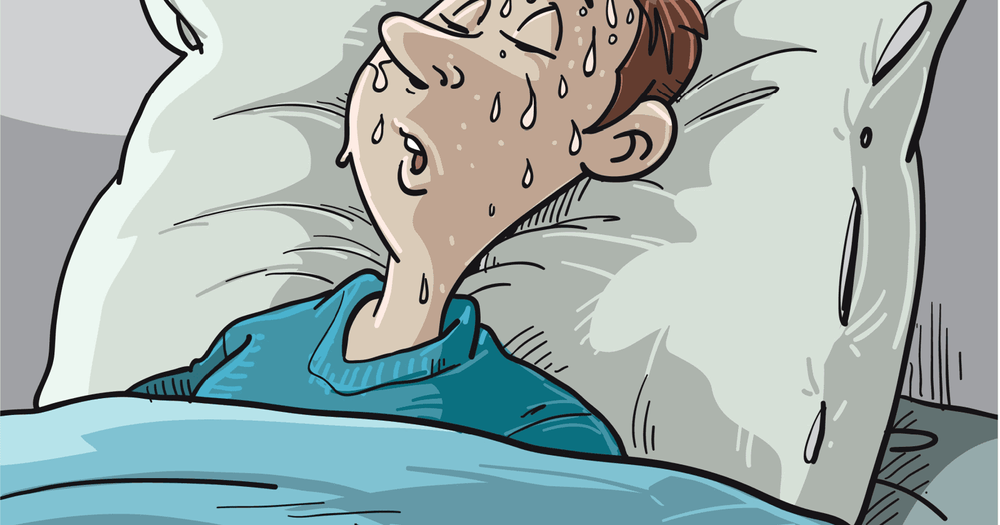
Drenching night sweats may be an early sign of lymphoma.
Watch for: Sweating that soaks bedding without fever.
Skin dimpling, lumps, or discharge can be early signs of breast cancer.
Watch for: Any new or unusual breast changes.
Persistent mouth sores may indicate oral or throat cancer, especially in smokers or HPV-positive individuals.
Watch for: Non-healing sores or bleeding.
Ongoing acid reflux that worsens over time may be linked to esophageal or stomach cancer.
Watch for: Heartburn with difficulty swallowing or weight loss.
While not all cancers can be prevented, lifestyle choices play a major role in reducing risk.
Eat plenty of fruits and vegetables
Choose whole grains over refined foods
Limit processed and red meats
Stay well-hydrated
Aim for at least 30 minutes of moderate activity most days
Reduce prolonged sitting
Maintain a healthy weight
Quit smoking—this is the single most effective cancer prevention step
Limit alcohol intake to recommended levels
Use sunscreen daily (SPF 30 or higher)
Avoid peak sun exposure
Wear protective clothing
HPV vaccine to prevent cervical, throat, and anal cancers
Hepatitis B vaccine to reduce liver cancer risk
Early screening saves lives.
Breast cancer: Mammograms
Cervical cancer: Pap tests
Colon cancer: Colonoscopy
Skin cancer: Regular skin checks
Practice mindfulness or meditation
Seek emotional support when needed
Prioritize sleep and recovery
Avoid secondhand smoke
Limit exposure to harmful chemicals
Improve indoor air quality
Cancer often begins quietly. The body speaks in small signals before it shouts. Paying attention to early symptoms—and taking action—can make a life-saving difference.
Equally important is prevention. Healthy habits, regular screenings, and timely medical care are powerful tools in reducing cancer risk and improving long-term health.
When it comes to cancer, awareness is protection and early action is hope.
For 18 long years, a man sat confined in a prison cell for a crime he did not commit. Each…

In a world that often moves too quickly, where teenagers are stereotyped as glued to their phones or wrapped up…

Before leaving the plane he had just landed, Captain Edward Blair noticed a lone passenger who refused to leave. To…

However, reading scripts remained a major hurdle, so he learned to rely on improvisation and memorization to perform his roles,…

Sweet potatoes aren’t just a tasty comfort food — they’re a nutritional powerhouse that has been nourishing people for thousands of years.…
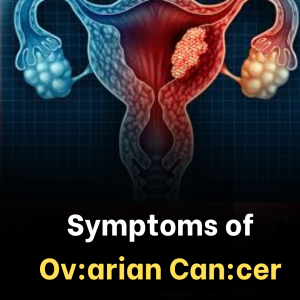
Ovarian and breast cancer are among the most common types of cancer affecting women. Although they develop in different parts…