3 warning signs of an imminent heart at.tack – Never ignore these symptoms
A heart attack does not happen suddenly without warning. In many cases, the body sends distress signals hours, days, or…
11/12/2025 09:02
A heart attack does not happen suddenly without warning. In many cases, the body sends distress signals hours, days, or even weeks before a life-threatening cardiac event occurs. Unfortunately, these early signs are often mistaken for fatigue, indigestion, or stress, causing many people to delay seeking medical care until it’s too late.
Understanding the warning signs of an approaching heart attack is essential. Early recognition and prompt medical evaluation can dramatically reduce the risk of severe complications and increase the chances of survival. Below are the three most important symptoms that should never be ignored.
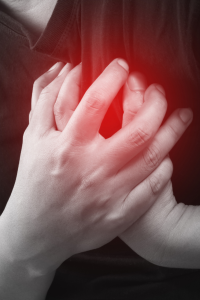
Chest discomfort is the most classic and dangerous warning sign of a heart attack. However, many people misunderstand what this discomfort actually feels like. It is not always a sharp or stabbing pain.
Most patients describe it as:
A tightness, heaviness, or pressure in the center or left side of the chest
A burning sensation that may feel like indigestion
A squeezing feeling “like something is pressing down”
Pain that comes and goes, lasting more than a few minutes
Importantly, this discomfort may spread to other parts of the body, including the shoulders, arms (especially the left arm), neck, jaw, upper back, or even the stomach area.
When the coronary arteries become severely narrowed or blocked, the heart muscle is deprived of oxygen. This produces the characteristic chest pressure. If treatment is not sought quickly, the heart muscle begins to die — leading to a full myocardial infarction.
Never wait to see if the pain goes away. If chest discomfort persists beyond 5 minutes, seek emergency help immediately.
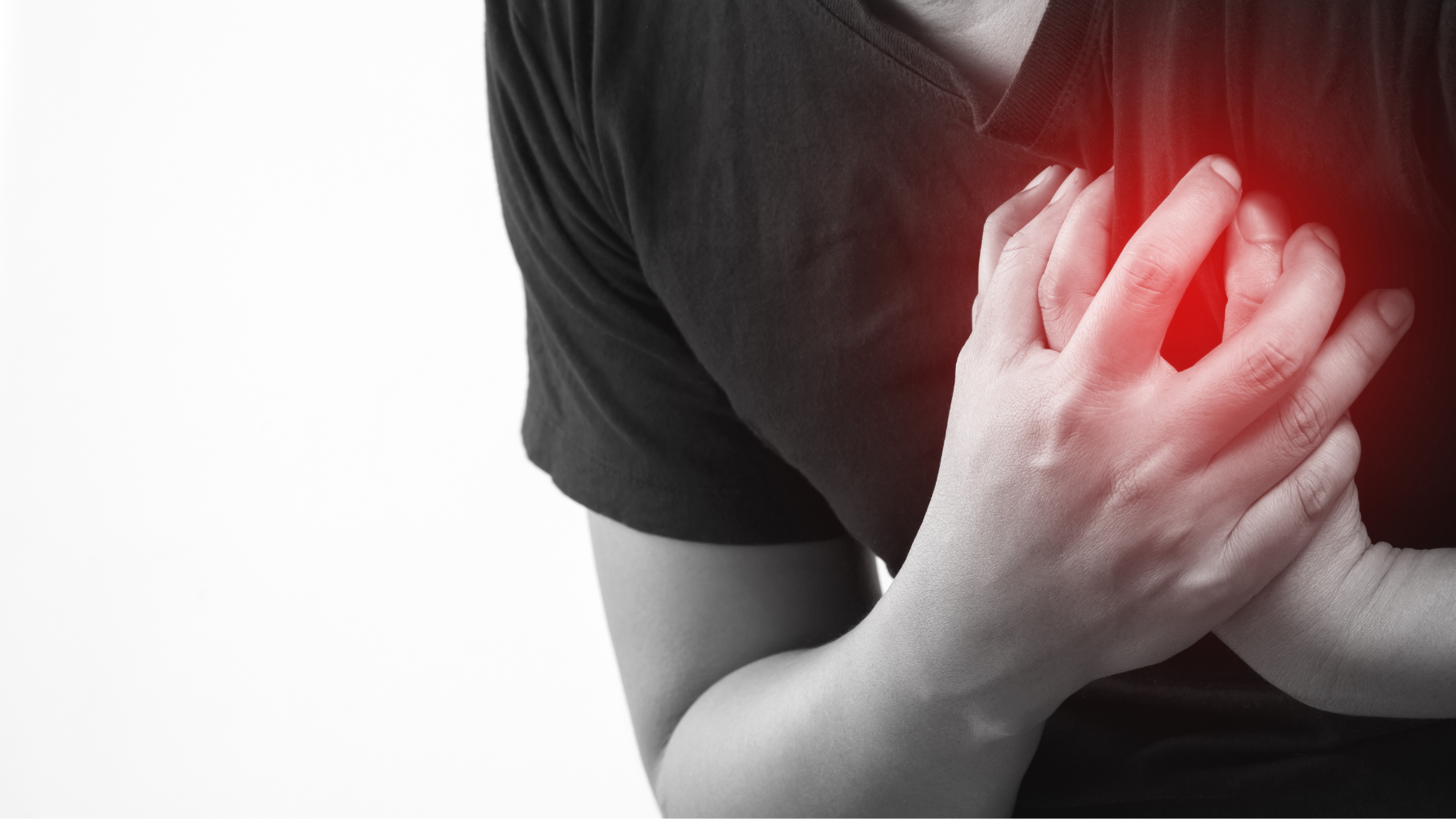
Shortness of breath (dyspnea) is another critical symptom that may appear shortly before a heart attack. Some people experience trouble breathing without any chest pain at all, especially women and older adults.
Warning signs include:
Feeling breathless even when resting or doing light activity
Sudden difficulty catching your breath
Waking up at night gasping for air
A tight sensation in the throat or difficulty taking deep breaths
This occurs because the heart is struggling to pump blood efficiently. When the heart cannot keep up with the body’s oxygen demands, breathing becomes difficult.
Many patients also report unusual exhaustion for days or weeks leading up to a heart attack. This fatigue is different from normal tiredness. It may feel like a heavy, overwhelming weakness that doesn’t improve with rest.
Examples include:
Feeling exhausted after simple tasks, like walking or climbing stairs
A sense of extreme heaviness in the limbs
Sudden lack of energy without any clear reason
If you experience this combination – shortness of breath, lightheadedness, and extreme fatigue – do not ignore it. These may be signs that the heart is under severe stress.
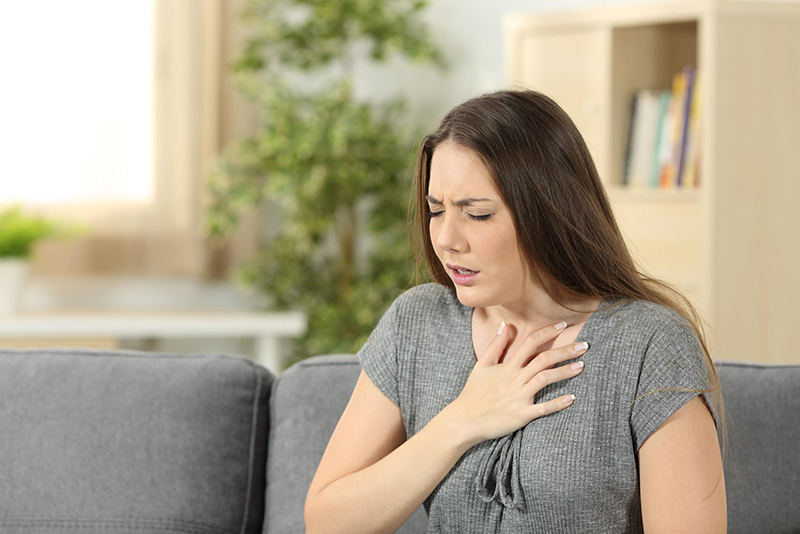
Many people assume heart attacks always cause dramatic chest pain, but in reality, some early symptoms can feel more like digestive or neurological issues.
Common warning signs include:
Sudden cold sweats without physical exertion
Feeling nauseous or wanting to vomit
Lightheadedness or dizziness
A sense of impending doom or unexplained anxiety
Pale or clammy skin
Cold sweats happen when the body triggers a stress response due to reduced blood flow. Nausea and dizziness occur because the heart is failing to pump blood effectively to the brain and digestive system.
These symptoms may appear suddenly or develop gradually, and they often occur with the two other warning signs above — chest discomfort and shortness of breath.
If these symptoms appear together, especially in someone with risk factors such as hypertension, diabetes, high cholesterol, smoking habits, or a family history of heart disease, immediate medical evaluation is essential.

The first hour after the onset of heart attack symptoms – known as the “golden hour” – is the most critical. Prompt treatment during this window can:
Restore blood flow to the heart
Prevent the death of heart muscle cells
Reduce long-term damage
Greatly increase survival rates
Ignoring symptoms, on the other hand, allows the blockage to worsen, increasing the risk of fatal arrhythmias, heart failure, or sudden cardiac arrest.
When in doubt, always seek medical care. It is better to have a false alarm than to miss a life-saving opportunity.
While recognizing symptoms is vital, prevention is equally important. You can significantly lower your risk by:
Controlling blood pressure, cholesterol, and blood sugar
Adopting a heart-healthy diet rich in fruits, vegetables, whole grains, and lean proteins
Exercising regularly, at least 30 minutes a day
Avoiding smoking and limiting alcohol
Managing stress through meditation, sleep, and healthy routines
Getting regular medical checkups
The heart often gives warning signals long before a crisis occurs. Listening to these signals — and responding quickly — can save your life or the life of someone you love.
While understanding the warning signs is crucial, prevention remains the most powerful tool in reducing your risk of a heart attack. Heart disease often develops silently over many years, but small, consistent lifestyle changes can dramatically lower the likelihood of a cardiac event. Below are evidence-based preventive strategies that cardiologists strongly recommend.
What you eat plays a major role in determining the health of your arteries and heart muscle.
Focus on:
Fruits and vegetables rich in antioxidants, fiber, and vitamins
Whole grains such as oats, quinoa, barley, and brown rice
Lean proteins from fish, poultry, and legumes
Healthy fats, especially omega-3 fatty acids from salmon, walnuts, chia seeds, and flaxseeds
Avoid:
Processed meats
Foods high in saturated or trans fats
Excessive salt and sugar
Deep-fried foods and fast food
A heart-smart diet reduces cholesterol buildup, stabilizes blood sugar, and lowers blood pressure — all essential for preventing coronary artery disease.
Physical activity strengthens the heart muscle, improves circulation, and helps maintain a healthy weight.
Experts recommend:
150 minutes of moderate exercise per week, such as brisk walking, swimming, or cycling
Or 75 minutes of vigorous activity, such as running or high-intensity interval training
2–3 sessions of strength training weekly
Even simple habits like taking the stairs, stretching throughout the day, or walking after meals can benefit your heart.
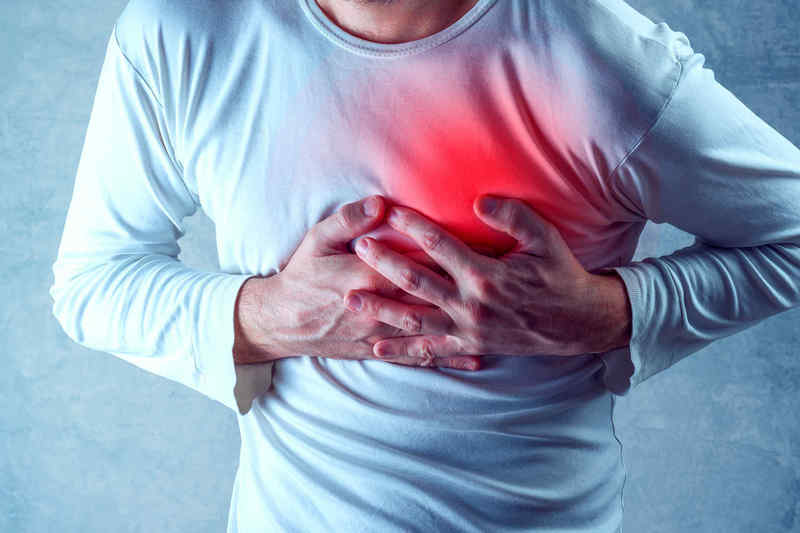
Chronic stress releases hormones that elevate blood pressure, heart rate, and inflammation within the arteries.
Helpful practices include:
Deep breathing exercises or meditation
Yoga or tai chi
Listening to calming music
Journaling or talking with someone you trust
Limiting exposure to negative news or overwhelming environments
Learning to regulate stress responses protects the heart from long-term strain.
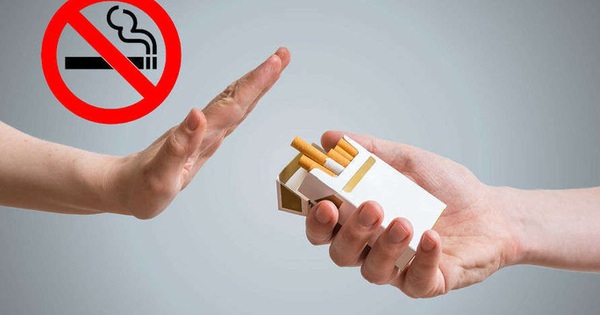
Smoking is one of the most significant risk factors for heart attacks. It damages the lining of blood vessels, increases clot formation, and reduces oxygen in the bloodstream.
Quitting smoking immediately begins reversing damage, no matter how long someone has smoked.
Moderate alcohol consumption is key:
Up to 1 drink per day for women
Up to 2 drinks per day for men
Excessive alcohol raises blood pressure and weakens the heart muscle.
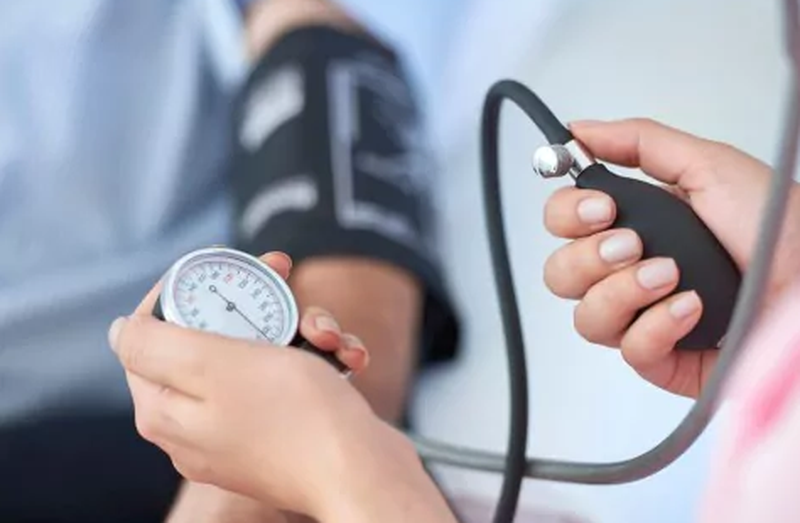
High blood pressure, high cholesterol, and diabetes silently damage the arteries.
To stay safe:
Check blo.od pressure regularly
Request cholesterol tests at least once a year
Monitor blood glucose if you have diabetes or prediabetes
Take prescribed medications consistently
Early detection and control of these conditions greatly reduce heart attack risk.
Being overweight – especially with fat concentrated around the abdomen – increases inflammation and cardiovascular stress.
Even losing 5–10% of body weight can improve heart health by:
Lowering blood pressure
Improving cholesterol levels
Enhancing insulin sensitivity
Aim for sustainable weight loss through balanced eating and regular physical activity.
Poor sleep quality or insufficient sleep increases the risk of hypertension, arrhythmias, and heart attacks.
Tips for better sleep:
Aim for 7–8 hours per night
Avoid caffeine late in the day
Create a quiet, cool, dark sleep environment
Establish a consistent sleep schedule
Good sleep helps the cardiovascular system recover and function properly.

Routine medical examinations help detect problems early, even when symptoms are absent.
Doctors can evaluate:
Heart rhythm
Arterial health
Inflammation markers
Family history risks
Early intervention is one of the strongest defenses against a heart attack.
Prevention is far more effective – and far less painful – than treatment after a crisis. By adopting heart-protective habits, staying attentive to warning signs, and seeking medical care promptly, you can dramatically reduce your risk of a heart attack.
Your heart works nonstop for you.
Taking care of it is one of the most powerful investments you can make in your long-term health.
A heart attack does not happen suddenly without warning. In many cases, the body sends distress signals hours, days, or…

When Rachel’s twin sons return home from their college program and say they never want to see her again, everything…
When a man demanded I leave my seat because my granddaughter wouldn’t stop crying, I gathered my things with tears…

I was racing home to my kids after a long day at the insurance office when I spotted a hungry…
Amanda spent years slipping handmade clothes onto the doorstep of an orphanage, believing her quiet kindness would remain forever unseen.…

A sleek black SUV pulled up to Angel’s lemonade stand, and the woman inside asked an unexpected question. What happened…