Cracked heels are not always caused by dry skin: Be aware of these conditions
Cracked heels are commonly blamed on dry skin, weather changes, or not using moisturizer often enough. While dryness is indeed a major factor, it is not the only cause. In many cases, persistent or severe heel cracks can be a sign of underlying health issues, lifestyle habits, or skin conditions that should not be ignored.
Understanding the real reasons behind cracked heels is essential – not only to treat the problem effectively but also to prevent it from coming back.
1. Nutritional Deficiencies
One often-overlooked cause of cracked heels is nutrient deficiency. The skin relies on vitamins and minerals to stay elastic, repair itself, and maintain its protective barrier.
Deficiencies that may contribute to heel cracking include:
-
Vitamin A, which supports skin regeneration
-
Vitamin E, essential for skin moisture and repair
-
Zinc, important for wound healing
-
Iron, which affects skin health and circulation
When the body lacks these nutrients, the skin becomes weaker, slower to heal, and more prone to splitting – especially in pressure-bearing areas like the heels.
2. Prolonged Standing and Excess Pressure
People who stand or walk for long periods – such as healthcare workers, retail staff, factory workers, or teachers – often experience cracked heels even if their skin is not extremely dry.
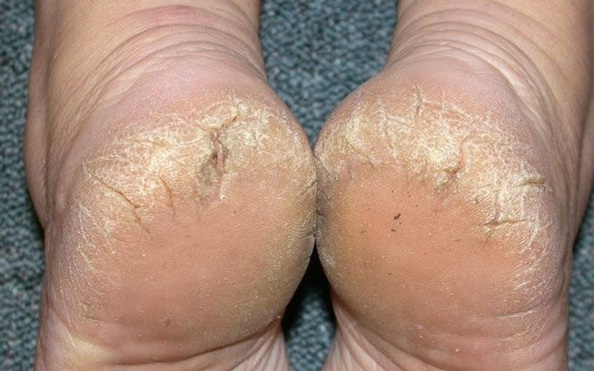
Continuous pressure causes the fat pad under the heel to expand sideways. When the skin cannot stretch enough to accommodate this pressure, it begins to crack. Over time, these cracks can deepen and become painful or even bleed.
3. Obesity and Weight-Related Stress
Excess body weight increases pressure on the heels. This added stress makes the skin more likely to split, especially if combined with poor footwear or lack of cushioning.
In such cases, cracked heels are not just a skin issue but also a mechanical problem related to how weight is distributed across the feet.
4. Poor Footwear Choices
Wearing open-back shoes, sandals without support, or hard-soled footwear can worsen heel cracking. These shoes fail to provide proper cushioning and allow the heel fat pad to spread excessively.
Additionally, shoes made of stiff or non-breathable materials can irritate the skin, leading to inflammation and cracks over time.
5. Skin Conditions and Medical Disorders
Cracked heels may also be linked to chronic skin or systemic conditions, including:
In people with diabetes, heel cracks are especially concerning because reduced circulation and nerve sensitivity can delay healing and increase the risk of infection.
If heel cracks are severe, recurrent, itchy, or accompanied by redness and scaling, a medical cause should be considered.
6. Excessive Exposure to Water and Harsh Products
Frequent soaking of the feet, long hot showers, or regular use of harsh soaps can strip away natural oils from the skin. This weakens the skin barrier and makes it more vulnerable to cracking.
Ironically, people who wash their feet very often may experience worse cracking than those who do not.
7. Aging and Reduced Skin Elasticity
As the body ages, the skin naturally loses collagen, elastin, and moisture. This makes the skin thinner, less flexible, and slower to repair itself.
Older adults are therefore more prone to heel fissures, even without obvious dryness or external triggers.
How to Prevent Cracked Heels Effectively
Preventing cracked heels requires more than just applying moisturizer occasionally. A consistent and comprehensive approach works best.
1. Moisturize Properly and Consistently
Use thick, foot-specific creams containing ingredients such as:
-
Urea
-
Lactic acid
-
Salicylic acid
-
Glycerin
-
Shea butter
Apply moisturizer twice daily, especially before bed. Wearing cotton socks overnight helps lock in moisture and improves results.
2. Choose Supportive Footwear
Wear shoes that:
Avoid walking barefoot on hard surfaces and limit the use of open-back shoes when heel cracking is an issue.
3. Manage Pressure on the Feet
If standing for long hours is unavoidable:
-
Use cushioned insoles or heel cups
-
Take short sitting breaks when possible
-
Shift weight periodically to reduce constant pressure on the heels
Maintaining a healthy body weight can also significantly reduce stress on the feet.
4. Maintain Gentle Foot Hygiene
Clean feet daily using mild, fragrance-free soap and lukewarm water. Avoid scrubbing too aggressively, as this can damage the skin barrier.
Dry feet thoroughly, especially between the toes, to prevent fungal infections that may worsen cracking.
5. Exfoliate Carefully
Gentle exfoliation once or twice a week helps remove thick, hardened skin. Use a pumice stone or foot file after bathing, when the skin is soft.
Avoid over-exfoliation, which can cause micro-injuries and make cracks deeper.
6. Support Skin Health from Within
A balanced diet rich in:
-
Fruits and vegetables
-
Healthy fats
-
Lean proteins
-
Whole grains
ensures the body receives essential nutrients for skin repair. Staying well-hydrated also helps maintain skin elasticity.
7. Address Underlying Health Conditions
If cracked heels persist despite proper care, consult a healthcare professional. Treating conditions such as fungal infections, eczema, diabetes,
or thyroid disorders is essential for long-term improvement.
Final Thoughts
Cracked heels are not always just a cosmetic issue or a sign of dry skin. They can be the body’s way of signaling deeper problems related to nutrition, pressure, lifestyle habits, or underlying medical conditions.
By understanding the real causes and adopting preventive care early, heel cracks can be managed effectively and often prevented altogether. Healthy feet are not just about comfort; they are a reflection of overall well-being.