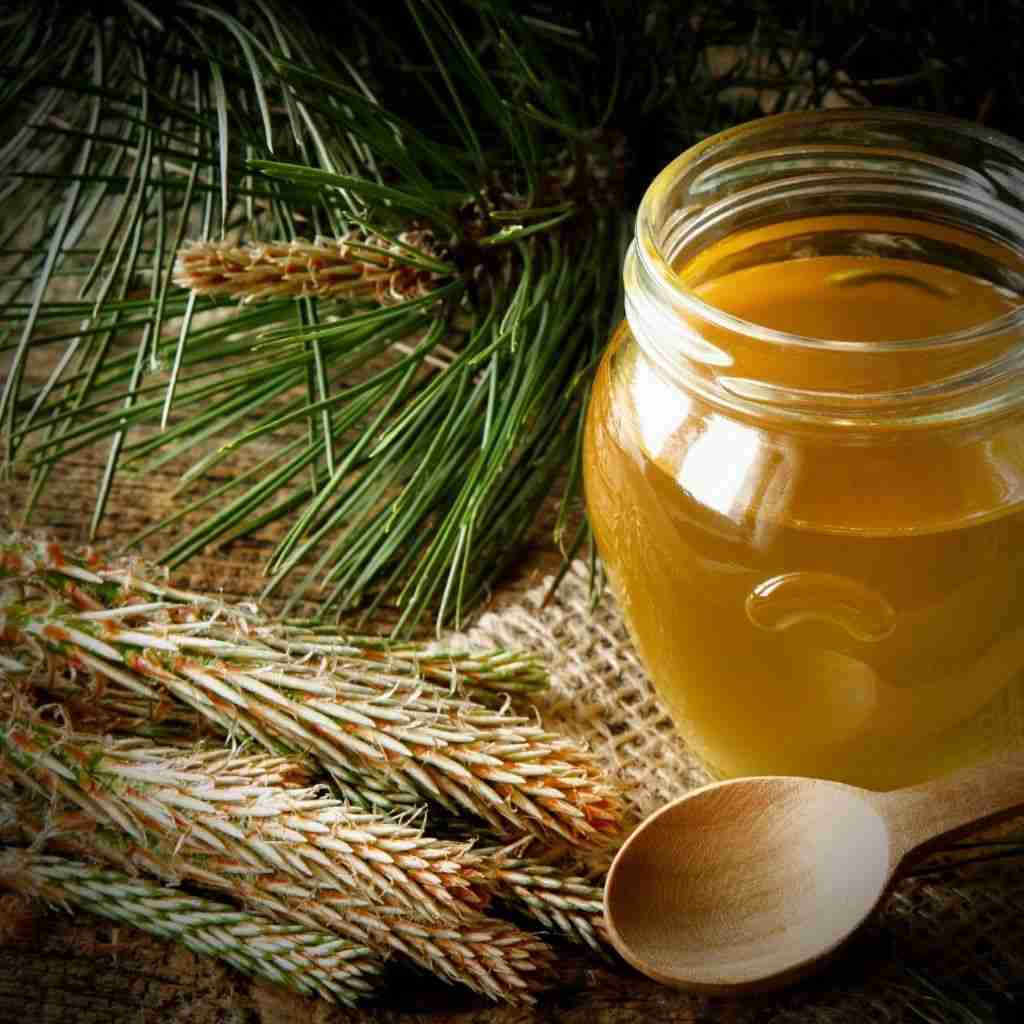
Pine Cone Syrup for Beginners: Natural Benefits, How to Make It, and Practical Uses
There is something quietly magical about walking through a pine forest. The air feels cleaner, sharper, almost medicinal. Each breath carries a crisp, resinous scent that seems to settle the mind and slow the body down. The forest floor is soft underfoot, the light filters gently through tall needles, and for a moment, the noise of daily life fades away. Many people describe this feeling as therapy for the soul and science now agrees that time among pine trees can reduce stress and improve well-being.
But beyond the calm and beauty, pine forests hide a lesser-known treasure.
A sweet one.
It’s called pine cone syrup, a traditional forest remedy that has been quietly passed down through generations and is now finding its way back into modern kitchens. Aromatic, complex, and surprisingly versatile, this syrup sits at the crossroads of natural medicine and culinary delight. And the best part? You can make it yourself, right at home.
Let’s explore everything there is to know about this forest-born syrup—from its origins and health benefits to how to make it and enjoy it in everyday life.
1. What Is Pine Cone Syrup?
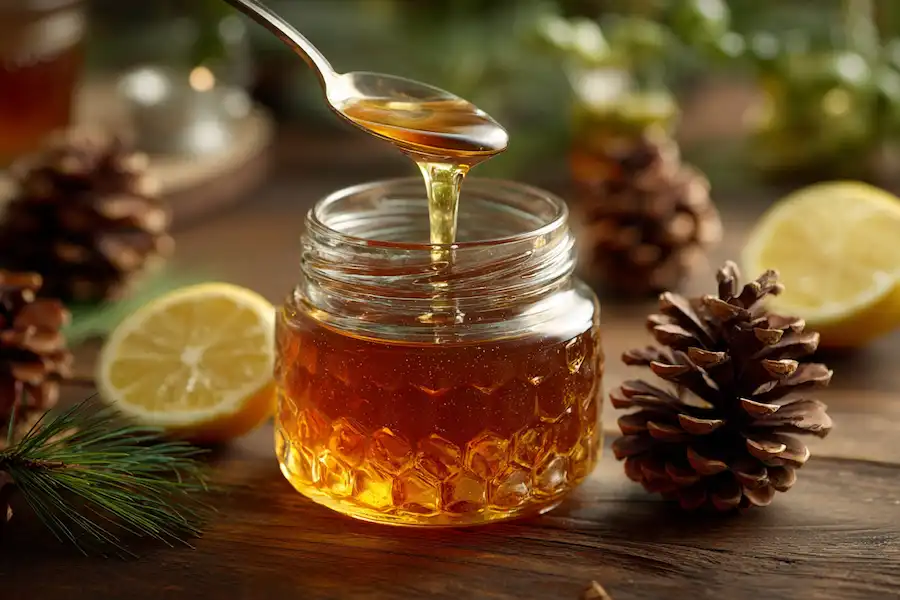
Pine cone syrup is a natural sweetener made by slowly infusing young, tender pine cones with sugar or honey. Over time, the sugar draws out the cones’ natural resins, essential oils, and plant compounds, transforming them into a thick, amber-colored syrup with a flavor unlike anything else.
The taste is often described as a blend of honey, caramel, citrus, and fresh forest air. It’s sweet, but not cloying. Earthy, but gentle. Familiar, yet completely unique.
Historically, pine cone syrup has been used across Eastern Europe, Russia, Scandinavia, and parts of Asia. For centuries, people relied on it as a household remedy for coughs, colds, sore throats, and seasonal fatigue—long before pharmacies existed in every town. Today, it’s experiencing a quiet revival among herbalists, wellness enthusiasts, and home cooks who value traditional, nature-based solutions.
2. The Real Star: Young Pine Cones
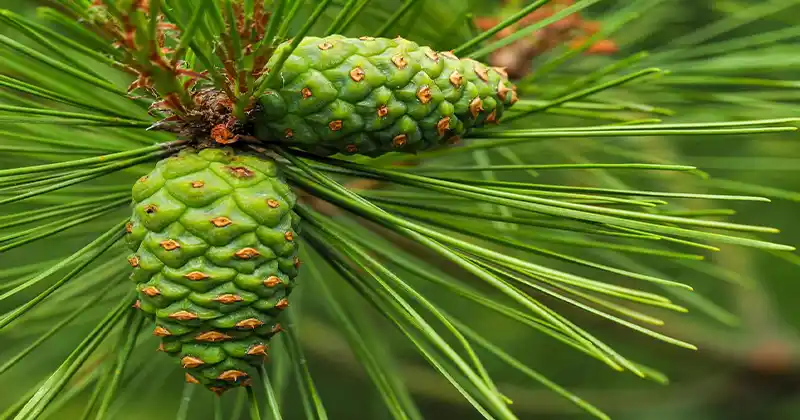
Not all pine cones can be used to make syrup. The secret lies in choosing the right ones at the right time.
For syrup-making, you need young, green pine cones—the kind that are still soft enough to cut with a knife. These cones appear in late spring to early summer, usually between May and June, depending on climate and pine species.
How to choose the best cones:
-
Look for cones that are green to light brown and about 1–2 inches long
-
Avoid dry, woody, or fully opened cones—they’re too mature
-
Harvest only from clean, unpolluted areas, far from roads or industrial sites
Each pine species brings its own character to the syrup. Some produce lighter, citrusy notes, while others lean toward deeper, resinous, almost vanilla-like flavors. This means no two batches are ever exactly the same – each jar becomes a snapshot of a specific forest, season, and place.
3. Health Benefits of Pine Cone Syrup
Pine cone syrup may taste indulgent, but it carries a long history of therapeutic use. While it’s not a replacement for medical treatment, it contains natural compounds that support overall wellness.
1. Respiratory Support
Traditionally, pine syrup has been used to soothe coughs, sore throats, and chest congestion. Pine resins and terpenes help open airways and calm irritation, making the syrup especially comforting during cold and flu season.
2. Immune System Support
Young pine cones contain vitamin C, flavonoids, and antioxidants that help strengthen the immune system and protect the body against oxidative stress.
3. Natural Energy and Mental Clarity
Pine’s aromatic compounds are known to have gently stimulating effects. A small amount of pine syrup can help fight fatigue and lift the mood—without the crash associated with caffeine.
4. Anti-Inflammatory Properties
Studies on pine extracts suggest they may help reduce inflammation and support joint, skin, and digestive health when consumed in moderation.
5. Gentle Detox Support
The natural resin compounds in pine may help stimulate circulation and support the body’s natural detox processes, promoting overall balance and vitality.
4. How to Make Pine Cone Syrup at Home
Making pine cone syrup is surprisingly simple. It doesn’t require special equipment—just time, patience, and respect for the process.
What you’ll need:
-
2 cups young green pine cones
-
2 cups sugar (white, brown, or raw) or raw honey
-
1 clean glass jar with a tight lid
-
Optional: lemon juice, juniper berries, or citrus peel
The Cold Method (Traditional)
This is the slow, old-fashioned way and the most aromatic.
-
Gently rinse the pine cones and pat them dry. Do not soak them.
-
Layer pine cones and sugar in the jar, alternating layers until full.
-
Seal the jar and place it in a warm, sunny spot.
-
Let it rest for 3–4 weeks, shaking gently every few days.
-
When the syrup turns deep amber and fully liquid, strain it.
-
Store in a sterilized jar in the refrigerator for up to one year.
The Hot Method (Faster Option)
If time is short, this method works too.
-
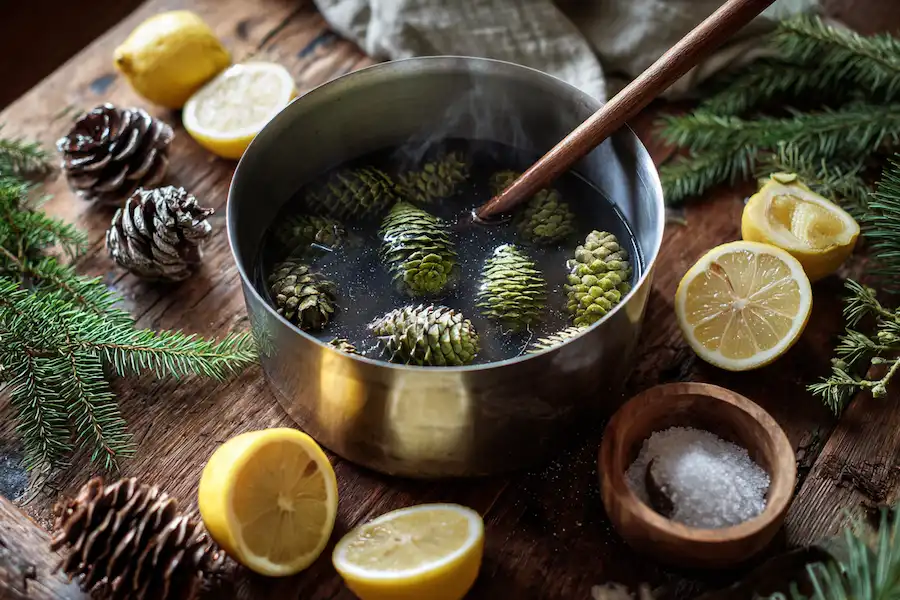
Combine pine cones and sugar in a pot (1:1 ratio).
-
Add about ½ cup water and bring to a gentle simmer.
-
Cook on low heat for 45–60 minutes.
-
Let cool, strain, and store.
The hot method is quicker, though it may slightly reduce some of the more delicate pine aromas.
5. Creative Ways to Use Pine Cone Syrup
Once you have a jar of pine cone syrup, the possibilities are endless.
-
Stir it into tea, herbal infusions, or warm lemon water
-
Drizzle over pancakes, waffles, yogurt, or oatmeal
-
Pair with soft cheeses like brie or ricotta
-
Add to sparkling water, gin, or whiskey for forest-inspired cocktails
-
Use in baking, glazes, or marinades
-
Take a teaspoon during cold season as a natural cough remedy
6. Safety Notes
Even natural remedies require mindfulness.
-
Use only young pine cones
-
Consume in moderation (1–2 teaspoons per day)
-
Avoid if pregnant, breastfeeding, or allergic to pine
-
Always harvest responsibly and sustainably
7. The Taste Experience
If you’ve never tried pine cone syrup, imagine honey infused with caramel, citrus peel, and the scent of a pine forest after rain. It’s warm, grounding, and subtly wild – like capturing nature in liquid form.
8. Final Thoughts
Pine cone syrup is a reminder that nature often hides its greatest gifts in plain sight. What looks like a simple forest object turns out to be a source of sweetness, comfort, and tradition.
Whether you enjoy it for its health benefits, its flavor, or the quiet ritual of making it, pine cone syrup connects you to something older and slower – a time when healing came from the land itself.
So the next time you walk through a pine forest, pause for a moment. Look closer.
A small, green cone at your feet might just be one of nature’s most overlooked treasures.