In a world filled with constant noise, pressure, and mental overload, many people are searching for simple yet effective ways to calm the mind and reconnect with themselves. Surprisingly, one of the most powerful tools for mental clarity and inner balance does not require any equipment, medication, or special environment. It only requires your hands.
This ancient practice is called Gyan Mudra – the Mudra of Knowledge.
Used for thousands of years in yoga, meditation, and spiritual traditions, Gyan Mudra is more than just a hand gesture. It is believed to influence brain activity, emotional balance, focus, and even long-term mental wellbeing. Today, both traditional wisdom and modern science are beginning to explain why this simple gesture can have such a profound effect.
What Is Gyan Mudra?
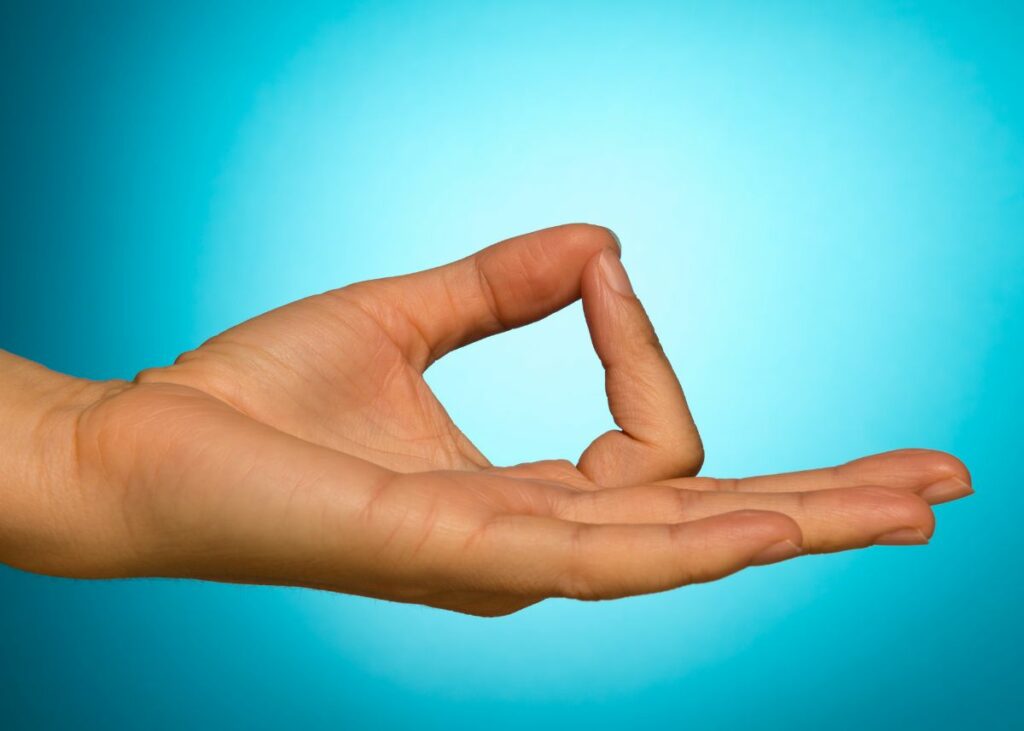
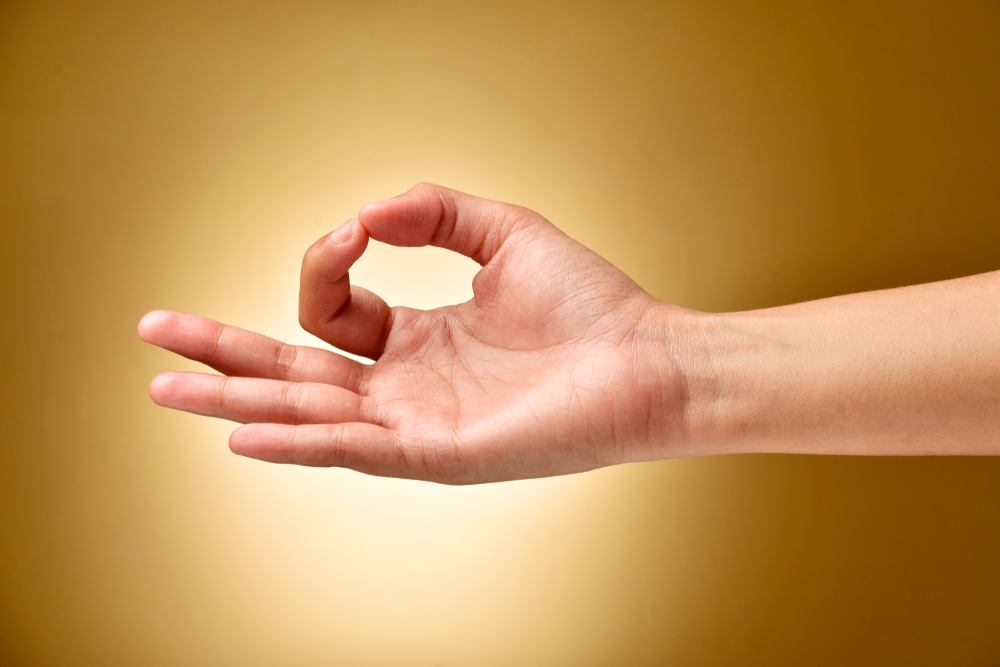
Gyan Mudra is a symbolic hand position commonly used during meditation, pranayama (breathing practices), and mindfulness exercises.
How to Form Gyan Mudra
-
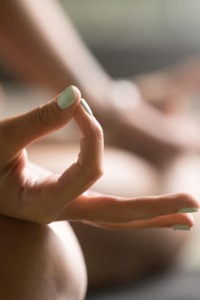
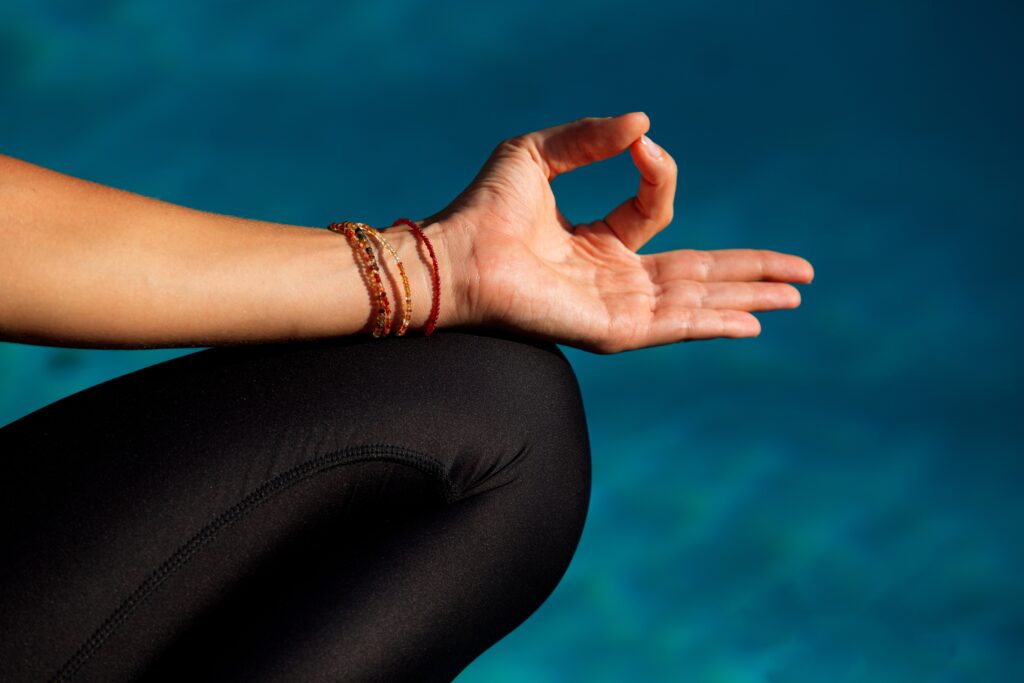
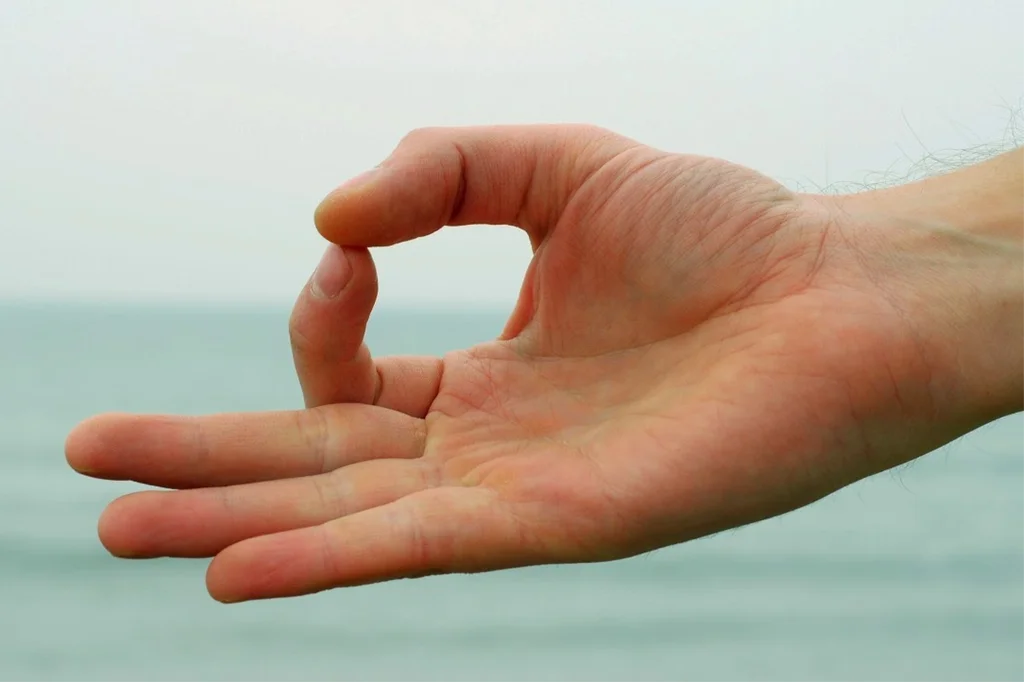
Touch the tip of the index finger to the tip of the thumb
-
Keep the remaining three fingers extended but relaxed
-
Place the hands on the knees or thighs
-
Palms face upward
-
Spine remains straight, shoulders relaxed
In Sanskrit:
-
Gyan = knowledge, wisdom, awareness
-
Mudra = seal, gesture, or symbolic position
Together, Gyan Mudra represents the connection between individual consciousness and universal wisdom.
The Deeper Symbolism of Gyan Mudra
According to yogic philosophy, each finger represents one of the five elements:
-
Thumb → Fire (energy, transformation)
-
Index finger → Air (mind, intellect)
-
Middle finger → Space
-
Ring finger → Earth
-
Little finger → Water
By joining the thumb (fire) and index finger (air), Gyan Mudra symbolizes the union of:
-
Energy and intellect
-
Consciousness and awareness
-
Individual self and higher knowledge
This symbolic connection is believed to calm mental fluctuations and bring clarity to thought processes.
The Science Behind Gyan Mudra
Although mudras originate from ancient traditions, modern neuroscience offers insights into why they work.
When Gyan Mudra is practiced during meditation:
-
The nervous system shifts toward a relaxation response
-
Brain waves move toward alpha and theta states, associated with calm focus
-
Stress-related cortisol levels may decrease
-
Attention, memory, and emotional regulation improve
The gentle finger pressure and posture help stabilize body awareness, which allows the mind to settle more easily.
Health and Wellness Benefits of Gyan Mudra
1. Improves Concentration and Focus
Gyan Mudra is widely used by students, professionals, and meditators to improve:
-
Attention span
-
Mental clarity
-
Ability to stay present
It is especially helpful for people who feel mentally scattered or overwhelmed.
2. Reduces Stress, Anxiety, and Mental Tension
Practicing Gyan Mudra regularly can:
-
Calm racing thoughts
-
Reduce nervous tension
-
Promote emotional balance
It activates the parasympathetic nervous system, helping the body move out of “fight or flight” mode.
3. Enhances Memory and Learning Ability
In traditional yogic texts, Gyan Mudra is associated with:
-
Sharper intellect
-
Better memory retention
-
Enhanced learning capacity
Many people practice it during study sessions or reflective thinking.
4. Supports Emotional Stability and Self-Awareness
Gyan Mudra encourages introspection and mindfulness. Over time, practitioners often notice:
-
Reduced emotional reactivity
-
Improved mood regulation
-
Greater self-understanding
This makes it especially helpful during emotionally challenging periods.
5. Deepens Meditation and Spiritual Awareness
Gyan Mudra is one of the most commonly used gestures in meditation because it:
-
Enhances awareness
-
Encourages stillness
-
Supports deeper states of meditation
It is frequently depicted in statues of Buddha and ancient sages.
6. Improves Sleep Quality
When practiced in the evening, Gyan Mudra may:
-
Calm the nervous system
-
Reduce nighttime anxiety
-
Help quiet intrusive thoughts
Many people report falling asleep faster and waking up more refreshed.
7. Supports Brain Health and Cognitive Function
Regular practice may help:
-
Improve neural communication
-
Maintain mental flexibility
-
Support long-term cognitive health
This makes it beneficial for older adults as well as younger individuals under mental strain.
8. Balances Energy Flow in the Body
According to yoga philosophy, Gyan Mudra helps regulate prana (life force), balancing mental and physical energy throughout the body.
How to Practice Gyan Mudra Correctly
Step-by-Step Practice
-
Sit comfortably on the floor, cushion, or chair
-
Keep your spine straight but relaxed
-
Rest your hands on your knees or thighs
-
Form Gyan Mudra with both hands
-
Close your eyes gently
-
Focus on your breath
Breathing Technique
-
Inhale slowly through the nose
-
Exhale gently and fully
-
Maintain smooth, natural breathing
You may combine this with:
-
Silent meditation
-
Mantra chanting
-
Mindful breathing
Best Time and Duration
-
15–30 minutes daily is ideal
-
Best practiced:
-
Early morning
-
During meditation
-
Before bedtime
-
During stressful moments
-
Consistency matters more than duration.
Who Can Practice Gyan Mudra?
Gyan Mudra is safe and suitable for:
-
All age groups
-
Beginners and advanced practitioners
-
People with busy or stressful lifestyles
No special training or equipment is required.
Tips for Better Results
-
Practice in a quiet environment
-
Maintain correct posture
-
Keep fingers relaxed, not tense
-
Combine with breathing or meditation
-
Practice daily for long-term benefits
Common Myths About Gyan Mudra
-
It is not a religious ritual
-
It does not replace medical treatment
-
It does not require years of practice
-
Results come gradually, not instantly
Final Thoughts
Gyan Mudra reminds us that true balance does not always come from doing more but from becoming more aware.
In just a few quiet minutes each day, this ancient hand gesture can help calm the mind, sharpen focus, and reconnect you with a deeper sense of clarity and peace.
Sometimes, wisdom doesn’t come from searching outside. Sometimes, it begins right at your fingertips.